Why Italians Drink Cappuccino Only Before 11 A.M.: Coffee Culture Explained
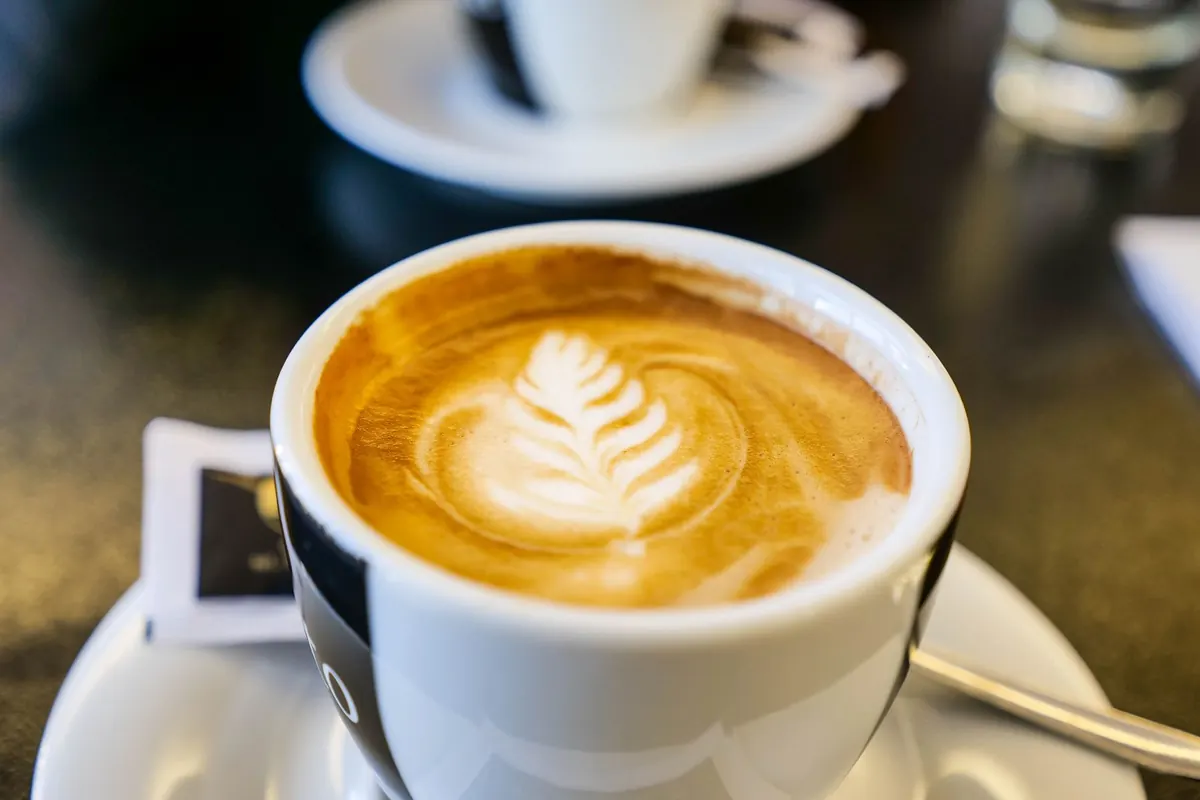
Ask for a cappuccino at four in the afternoon in an Italian bar and you may get a pause, a raised eyebrow, or a polite “Are you sure?” Nothing is forbidden. No law hangs above the espresso machine. But coffee in Italy keeps a rhythm, and milk sits near the top of it. The famous before-11-a.m. rule is shorthand for a wider habit: cappuccino belongs to breakfast, espresso belongs to the rest of the day. Once you see the logic, ordering gets easier and more enjoyable.
The 11 A.M. Rule Is a Rhythm, Not a Law
It is not a statute. In Milan, Rome, Naples, or Palermo, a barista will usually make you a cappuccino whenever the machine is on. The rule is social, not legal. It marks the end of breakfast and the beginning of the working day. Around 11 a.m., the morning cornetto has been eaten, the office is in full swing, and the counter is emptying. A cappuccino at that hour is not shocking; a cappuccino after lunch is simply out of step.
The cutoff is approximate for a reason. At 10:30, with a pastry in hand, a cappuccino is completely normal. At 12:30, just before lunch, it is less usual. At 3 p.m., it reads as breakfast arriving late. If you order one, you are not breaking a law. You are stepping outside a script. Italians may assume you are a visitor, or simply craving milk. Politeness covers almost everything. But if you want to fit in, read the room before you read the menu.
Why Milk Belongs to Breakfast
Italian breakfast is small and often sweet. A cappuccino and a cornetto, a few biscuits with coffee at home, or a yogurt and fruit are common ways to start the day. In that context, milk and foam make sense. A cappuccino is not a light drink; it is a small, warm meal. It fills the stomach without demanding a sit-down breakfast. Many Italians make a caffè latte at home in the morning for the same reason: milk is morning nourishment.
The bar version is compact and precise. Espresso goes into a cup, steamed milk and foam go on top, and the whole thing is finished in a few minutes. It is designed for the morning pause, not for lingering after a plate of pasta. Some people avoid milk after a heavy meal because it feels filling or uncomfortable; others do not. That is a personal matter, not a national law. The cultural logic is simpler: milk is associated with breakfast, while espresso is the adult punctuation mark for the rest of the day.
After Lunch, Espresso Takes Over
After a meal, the default is un caffè—which means espresso. Short, strong, and drunk standing at the counter, it clears the palate and closes the meal. A cappuccino would make that ending feel heavy. This is why a cappuccino after lunch stands out: it looks like breakfast has wandered into the afternoon.
If you want a little milk later in the day, ask for a caffè macchiato. That is espresso with a small stain of milk, enough to soften the edge without turning the drink into a morning meal. It is the usual compromise. A latte macchiato, which is mostly milk with a little espresso, is a different drink and is still more common in the morning. A cappuccino after pizza is not illegal, but it is noticeable. In Italy, noticeable is often enough of a signal.
The Bar Counter Is the Classroom
Watch before you order. In many Italian bars, breakfast is a standing ritual. Locals order, drink, pay, and leave. The counter is not a co-working space. If the bar is busy, move aside after you get your cup so the next person can order. At a table, service may cost more than at the counter; if you are unsure, ask whether you are being served al banco or al tavolo.
Payment customs vary. Some bars want you to pay at the cassa first and hand the receipt to the barista; others let you pay after. Watch what locals do, or ask. Keep your receipt if one is given. A simple “Un cappuccino e un cornetto, per favore” works almost everywhere. “Per favore” and a smile do more for your order than perfect pronunciation.
How to Order Coffee Like a Local
Keep these habits in mind. They are small, but they make the experience smoother:
- Morning order: Ask for a cappuccino with a cornetto before 11 a.m. Drink it at the counter if the bar is busy.
- After lunch: Order “un caffè” and you will get espresso. If you want a little milk, say “un caffè macchiato.”
- Payment: Check whether you pay first at the cassa or after. Keep the receipt if you are given one.
- Temperature: Cappuccino is often served warm rather than scalding. If you want it hotter, ask for “ben caldo.”
- Milk alternatives: “Di soia” or “senza lattosio” may be available, but not everywhere. Ask before you assume.
- Space: Do not camp at the counter during the breakfast rush. Finish your coffee, pay, and make room.
“Un cappuccino e un cornetto, per favore.” It is a small sentence, but it places you in the morning rhythm.
When You Really Want Milk Later
There are exceptions, and there is no need to turn a habit into a test. If you want a cappuccino at 4 p.m., order it. Say “Un cappuccino, per favore,” and enjoy it. Just expect a pause, a curious look, or a barista who gently suggests a macchiato instead. That is not a rejection; it is a local reflex. Some bars will serve it without comment. Others may not have milk ready in the same way after the morning rush.
If you are hosting Italians and serving coffee after dinner, offer espresso. Keep milk for breakfast. If dairy is an issue, ask for soy milk or a lactose-free option, but check availability rather than assuming. The point is not to police anyone’s pleasure. It is to understand the timing. In Italy, coffee is a small, precise pause. Match the pause to the hour and the bar will feel less like a stage and more like a habit.
A Simple Rule to Remember
Before 11 a.m., cappuccino is breakfast. After lunch, espresso is the default. If you want milk later, choose a caffè macchiato and keep it small. Watch what locals do at the counter, pay attention to the hour, and do not overthink it. The 11 a.m. rule is not about denying you a drink. It is about recognizing that Italians treat coffee as part of the day’s shape. Order with that shape in mind, and you will drink better and look less like a visitor.
Photo: Vladimir Srajber / Pexels