How to Read Italian Menus: A Region-by-Region Guide
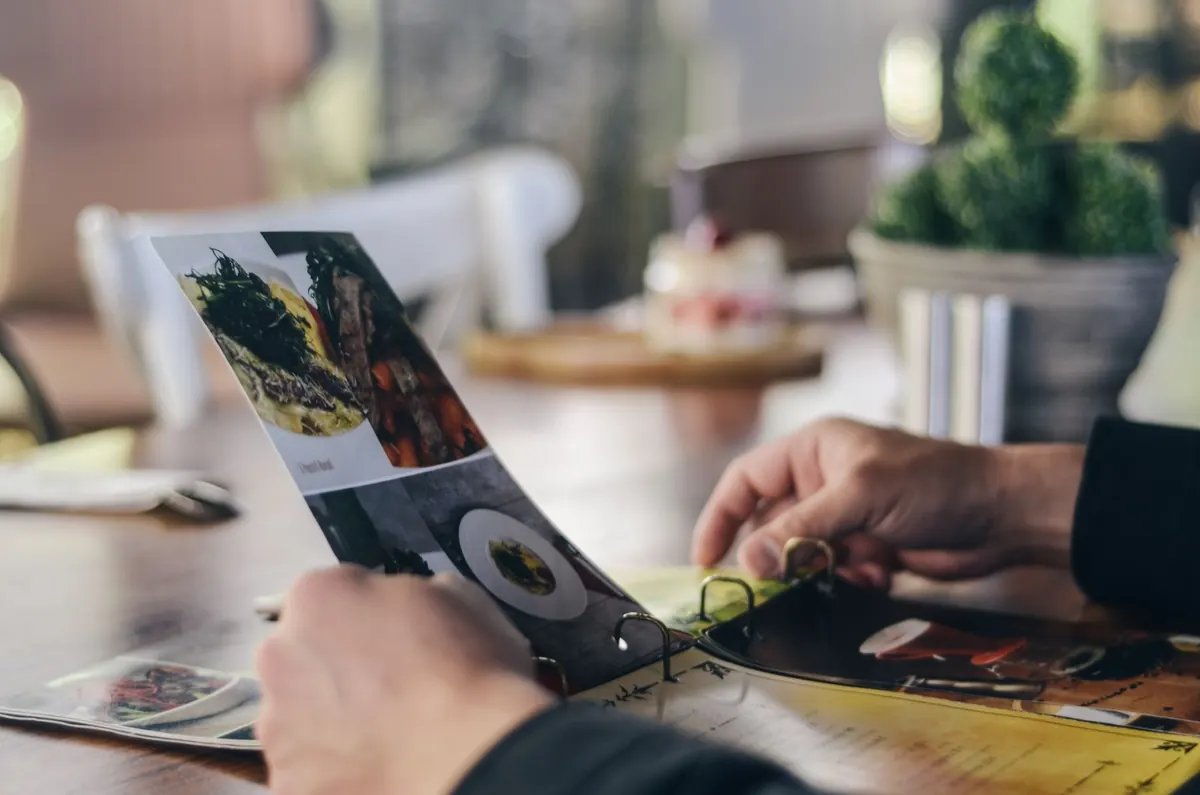
Italian menus can feel like a test of vocabulary and local pride at once. The words are not random: most menus follow a predictable order, then add regional names that reward a little knowledge. Learn the skeleton first, then the local vocabulary, and ordering stops being guesswork. You do not need to speak fluent Italian to read a menu well; you need a handful of section words, a few cooking terms, and curiosity about where you are.
First, learn the skeleton of an Italian menu
Almost every traditional menu moves from small plates to pasta or rice, then to a main course, sides and dessert. The exact labels vary, but the sequence is stable.
- Antipasti: starters, often cured meat, cheese, vegetables or seafood.
- Primi: first courses, usually pasta, risotto or soup.
- Secondi: main courses, usually meat or fish.
- Contorni: side dishes, such as potatoes, greens or salad.
- Dolci: desserts.
- Bevande and Vini: drinks and wines.
Coperto is a cover charge. It is not a tip and not a penalty; it is normal in many sit-down restaurants. Servizio may appear as a service charge. If you want to avoid surprises, check the bottom of the menu.
Other useful labels: menù del giorno or menu fisso usually means a fixed set, often at lunch; alla carta means each dish is priced separately; piatto del giorno is the daily dish; fuori menù is off-menu. Per due means for two, and minimo due persone means the dish is for at least two people. Specialità points to house specialties; prodotti tipici signals local ingredients; di stagione means seasonal.
The small words that tell you how a dish is cooked
Once you know the section, read the preposition. Al forno means baked, alla griglia grilled, fritto fried, in umido stewed, al vapore steamed, saltato sautéed, marinato marinated, ripieno stuffed, gratinato browned under heat. Crudo is raw; cotto is cooked. For meat, al sangue is rare, media cottura medium, ben cotto well done. Fish may be all’acqua pazza — poached with tomato, water and olive oil — or alla brace, charcoal-grilled.
Watch alla and in: alla romana often points to a Roman style, alla milanese to Milan, alla Norma to a Sicilian pasta with aubergine and ricotta salata. These names are not strict recipes; they are cues. If you see senza it means without, and con means with. Piccante means spicy, not always very hot, and dolce can mean sweet or mild depending on context. When in doubt, ask.
The North: rice, butter, polenta and mountain words
Northern menus often use butter, rice, polenta, game and mountain cheeses. You will see fewer tomato sauces and more terms like mantecato (creamed or enriched with butter), tajarin (thin Piedmontese egg pasta), agnolotti (filled pasta), risotto and polenta.
Piedmont, Liguria, Lombardy
Piedmont: vitello tonnato (veal with tuna sauce), bagna cauda (warm anchovy-garlic sauce with vegetables), tajarin, agnolotti. Liguria: trofie al pesto, farinata (chickpea flatbread), focaccia, and seafood. Lombardy: risotto alla milanese, ossobuco, casoncelli (filled pasta), pizzoccheri (buckwheat pasta with cheese and greens).
Veneto, Friuli, Trentino, Emilia-Romagna
Veneto: baccalà mantecato (creamed salt cod), bigoli in salsa (thick pasta with anchovy and onion), risotto, fritto misto. Friuli: frico (cheese and potato pancake), cjarsons (sweet-savoury filled pasta). Trentino-Alto Adige: canederli (bread dumplings), spätzle, polenta, speck. Emilia-Romagna: tagliatelle al ragù, tortellini in brodo, piadina, and often excellent cured pork. If a menu says in brodo, the dish comes in broth; asciutta means the pasta is served with sauce, not soup.
Central Italy: pecorino, tomatoes and strong local names
Central Italy is where you see pecorino, olive oil, tomatoes, beans and grilled meat. Tuscany: ribollita (bread and vegetable soup), pappa al pomodoro (tomato-bread soup), pici (thick hand-rolled pasta), bistecca alla fiorentina (large grilled beef steak, often sold by weight). Umbria: strangozzi pasta, lentil dishes, porchetta. Marche: olive ascolane (stuffed fried olives), brodetto (fish stew), and crescia. Lazio: cacio e pepe, amatriciana, carbonara, supplì (fried rice balls).
Some names tell you the sauce and the shape: pasta alla amatriciana is tomato, guanciale and pecorino; cacio e pepe is cheese and pepper. If a dish is alla griglia in Tuscany, expect simple seasoning and a focus on the meat. Per due is common with large steaks, and a peso means priced by weight. Ask for the weight if it is not stated.
The South and the islands: pasta shapes, seafood and spice
The South offers seafood, vegetables, durum wheat pasta and bold flavours. Campania: pizza, pasta alla genovese (slow-cooked onion and beef sauce), parmigiana di melanzane, mozzarella. Puglia: orecchiette alle cime di rapa, panzerotti, bombette (small rolled meat rolls), and seafood. Basilicata: pasta with peperoni cruschi (dried sweet peppers), lagane e ceci (pasta with chickpeas). Calabria: ’nduja (spicy spreadable sausage), fileja pasta, and seafood.
Sicily: arancini, pasta alla Norma, caponata, cannoli, and seafood with citrus. Sardinia: malloreddus (small ridged pasta), porceddu (roast suckling pig), pane carasau (thin crisp bread), and pecorino. Words to notice: alla brace for grill, in umido for stew, fritto for fried, and agrodolce for sweet-sour. In coastal areas, pesce del giorno means fish of the day; ask how it is prepared and whether it is whole or filleted.
How to order with confidence
Read the whole menu before deciding. Italian meals are often paced, and the server may expect you to order courses together or in stages. A simple sequence:
- Choose water and drinks: naturale or gassata, house wine or a glass.
- Pick antipasti to share if you want a lighter start.
- Decide primi and secondi, or choose just one course.
- Add contorni if the main course does not include a side.
- Ask about desserts and coffee at the end.
You can order just a primo or just a secondo; you do not have to take every course. If you want to share, say da dividere. If you want a taste, un assaggio. If you want the house wine, vino della casa; a glass is un calice, and a small carafe is often un quarto. Ask Che cosa mi consiglia? for a recommendation, and È fatto con…? for ingredients. For allergies, ask for the allergen list and speak clearly; do not rely on a menu description alone.
A menu-reading routine that works
Before you order, do three things: identify the section, decode the cooking words, and place the dish on the map. That is usually enough to know whether you are getting soup or steak, dumplings or pasta. Keep a few phrases ready: Per me…, Senza…, Da dividere, Che cosa mi consiglia?, and Il conto, per favore. If a dish is unfamiliar, ask. Staff are used to explaining local names, and a short question often brings a better meal than a guess. Menus are also a map of local pride; the more you read them, the more you notice.
Photo: Gül Işık / Pexels