How to Order Coffee in Italy: A Vocabulary Guide Beyond Cappuccino
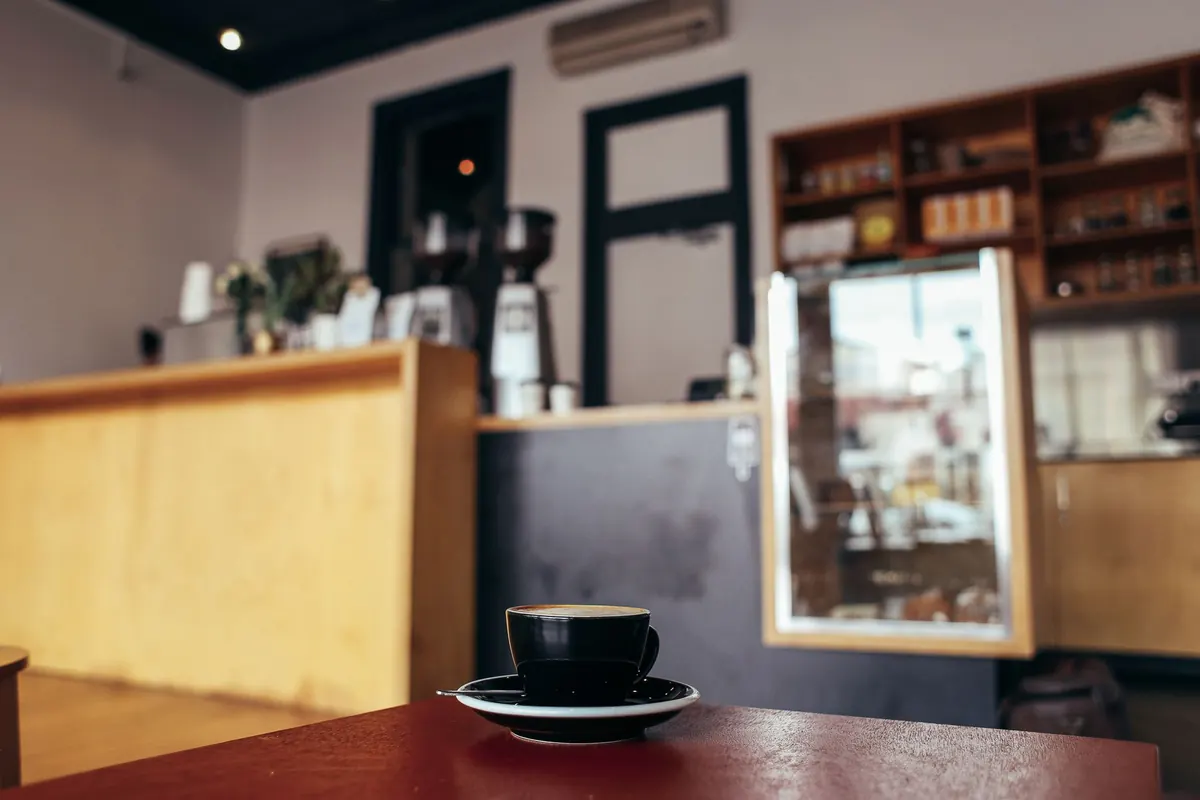
In Italy, a bar is not a place for cocktails and loud music. It is the neighborhood coffee counter: a small room, a gleaming machine, a few pastries under glass, and people standing with tiny cups. The vocabulary you need is not huge, but it is precise. Ask for un caffè and you will get an espresso, not a mug of filter coffee. Ask for un latte and you may get a glass of milk. Learn a dozen words and a few polite phrases, and the morning ritual becomes easy.
The First Word: Un Caffè Means Espresso
Start with the default. In most Italian bars, un caffè means a single espresso: a short, dark shot served in a small cup. You can say un espresso, and you will be understood, but it sounds a little like ordering “a portion of espresso” rather than simply asking for coffee. Locals usually say Un caffè, per favore or Vorrei un caffè.
The polite frame matters. Vorrei is the conditional of volere and works like “I would like.” It is softer than voglio, which can sound blunt. Add per favore and grazie, and you have the whole exchange. If you are ordering for someone else, Per me un caffè and Per lei un macchiato are handy. Per me means “for me”; per lei can mean “for you” in a polite context, though it also means “for her.” Context does the work.
At the Counter or at the Table
The next choice is where to drink it. Al banco means at the counter; al tavolo means at a table. Standing at the bar is the classic Italian move: fast, social, and often cheaper. Sitting down can involve table service and, in many bars, a higher price. If you are unsure, ask C’è servizio al tavolo? or simply watch what locals do.
Payment customs vary. In many traditional bars you first go to the cash register (la cassa), pay, and receive a receipt (lo scontrino). Then you hand the receipt to the barista and place your order. In other bars you order first and pay when you leave. The useful question is Si paga prima o dopo? — do I pay before or after? If you need the receipt, ask Posso avere lo scontrino? To pay, say Vorrei pagare.
The Espresso Family: Short, Long, Strong, Decaf
Once you know the default, you can adjust it. These are the terms you will see and hear most often:
- Ristretto — a shorter espresso, made with less water. It is more concentrated and intense.
- Lungo — a longer espresso, made with more water. It is milder but still not a filter coffee.
- Doppio — a double espresso. Useful when you want more volume without more milk.
- Decaffeinato — decaf. In speech it often becomes deca. Say Un caffè decaffeinato or Un deca, per favore.
- Macchiato — an espresso “stained” with a little milk. More on this below.
You can combine these: un ristretto macchiato, un doppio decaffeinato, un lungo caldo. The barista will understand. Keep the order clear and short at a busy counter. Un caffè ristretto, per favore is enough; you do not need a sentence.
Macchiato, Latte, Cappuccino: Milk Words That Matter
Milk words cause the most confusion. Latte means milk, not coffee. If you ask for un latte in a bar, you may get a glass of milk. Caffè latte is coffee with milk, usually served in a glass or a bowl at breakfast. Latte macchiato is a different drink: a tall glass of hot milk with espresso added, often layered. Cappuccino is espresso with steamed milk and a cap of foam.
The word macchiato means “stained” or “marked.” A caffè macchiato is an espresso with just a spot of milk. That is very different from a latte macchiato, which is mostly milk. If you want the small espresso with milk, order un caffè macchiato. If you want the milky glass, order un latte macchiato.
Macchiato Caldo or Freddo?
At the counter you may be asked Caldo o freddo? This refers to the milk. Macchiato caldo means a little warm milk; macchiato freddo means a little cold milk. The second is a common summer choice and gives the espresso a cooler edge. If you have a preference, say it in the order: Un macchiato caldo, per favore.
Cappuccino Timing
Cappuccino is traditionally a morning drink in Italy. Many locals switch to espresso after lunch or dinner. This is a custom, not a law. If you want a cappuccino at 4 p.m., order it; you will usually be served. Just know that a cappuccino after a big meal may draw a friendly look. At breakfast, it is completely normal, often with a cornetto or a pastry.
Other Bar Drinks You Will Hear
Caffè corretto is espresso “corrected” with a splash of liquor, often grappa or sambuca. Ask Corretto con cosa? if the barista offers a choice, or specify corretto con grappa. Caffè shakerato is espresso shaken with ice and sugar until cold and frothy; it is a summer favorite. Marocchino is a small drink of espresso, cocoa, and milk foam, common in northern Italy, though the exact recipe varies by bar. Affogato is espresso poured over gelato — closer to dessert than a quick coffee.
Caffè americano is espresso diluted with hot water. It is not the same as American drip coffee, but it is the usual stand-in. Caffè freddo is chilled, often sweetened espresso. If you want something cold and milky, ask for un cappuccino freddo or un latte macchiato freddo, though not every bar makes them. When in doubt, ask: Lo fate freddo?
Phrases That Make You Sound at Ease
You do not need to speak perfect Italian to order well. A few phrases, delivered with a smile, go a long way. Use Buongiorno in the morning and Buonasera later in the day. Scusi gets attention politely. Vorrei softens the request. And per favore belongs in almost every order.
- Un caffè, per favore. — One espresso, please.
- Vorrei un macchiato caldo. — I would like a macchiato with warm milk.
- Per me un deca. — A decaf for me.
- Lo prendo al banco. — I’ll have it at the counter.
- Quanto fa? — How much is it? (Quanto viene? also works.)
- Posso pagare? — Can I pay?
- Un bicchiere d’acqua, per favore. — A glass of water, please.
Keep your voice low and your order clear. At a busy bar, the barista is listening for the drink, not for a speech. Un caffè e un cornetto is a complete breakfast order. If you need to adjust, use senza (without), con (with), and un po’ (a little): senza zucchero, con latte di soia, un po’ di latte.
A Small Cheat Sheet for Your Next Order
Here is a simple sequence. Walk in, say Buongiorno. Order at the counter: Un caffè macchiato caldo, per favore. If you are sitting, ask Al tavolo? and check whether there is table service. Pay at the cassa if that is the custom, keep your scontrino, and hand it over. Before you leave, Grazie, buona giornata.
Remember the three traps: caffè is espresso, latte is milk, and macchiato needs a caldo or freddo if you care about the milk. Everything else is a small variation on a short, strong shot. Order confidently, drink it standing up, and you will fit right in.
Photo: Rachel Claire / Pexels